
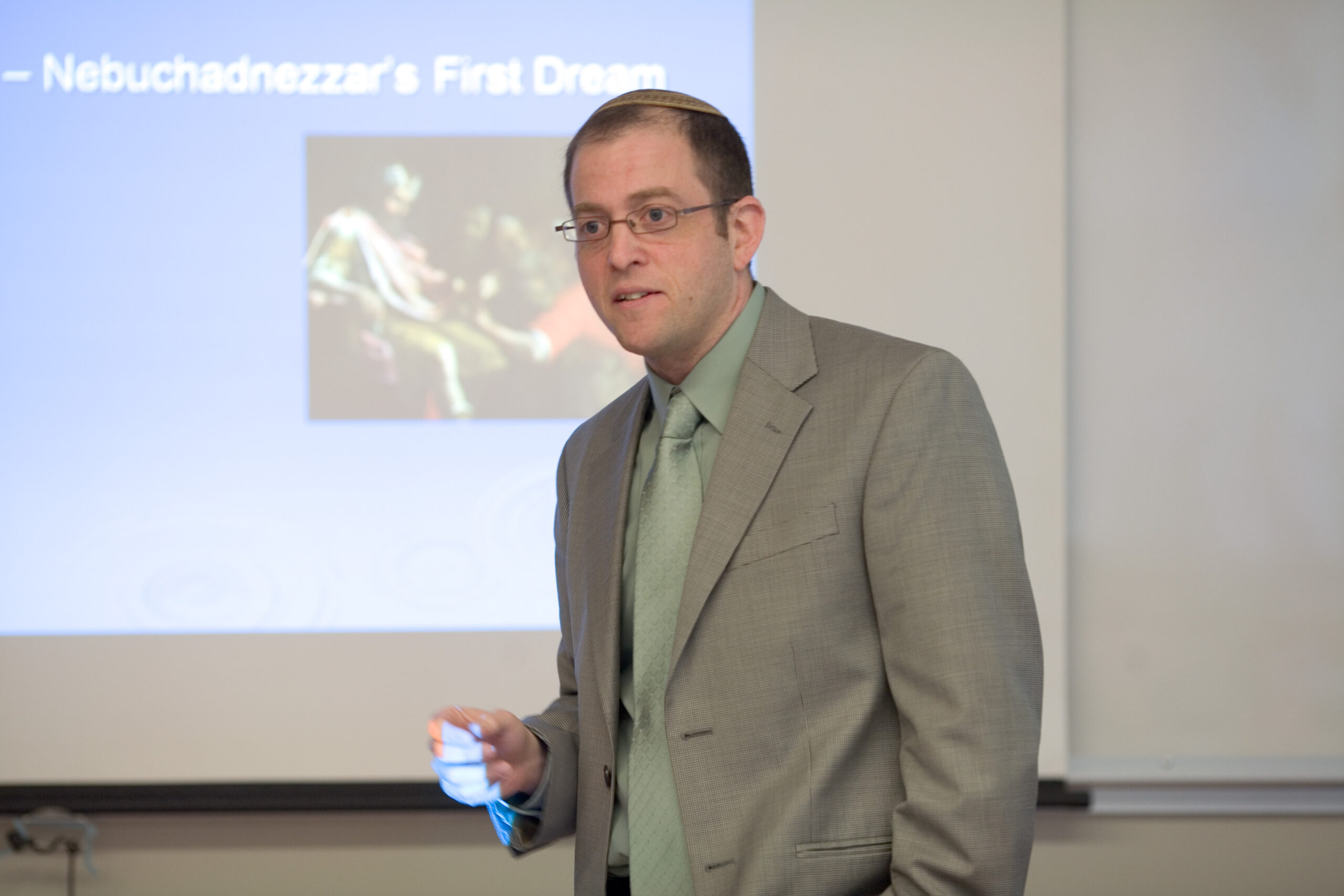
Kicking the morning off with his keynote address, Professor Fainsod, a professor of Genetics in the Faculty of Medicine and the Deputy Chairman of the Institute of Medical Research Israel-Canada, engaged participants in his lecture on fetal alcohol syndrome and the partnered research being done by labs at the University of Manitoba and the Hebrew University of Jerusalem to find preventative measures for this disease. The lecture centered primarily on an explanation of the negative effects of ethanol on developing fetuses. Fainsod outlined facial deformities, stunted growth, and central nervous system defects as key indicators of FASD. During pregnancy, ethanol alcohol, if ingested, “competes with enzymes that synthesize retinoic acid, a molecule that is integral in developing proper pattern formation.” An audible gasp went through the crowd as the professor explained that the damaging effects of alcohol consumption for pregnant women, most prevalent in cases of binge drinking, occurs only in the third week of embryo development.
“A common misconception of FASD”, Fainsod said, “is that it is only present in situations where women knowingly binge drink while pregnant.” In truth, because a fetus’s development is most hindered by alcohol in only the third week of growth, many cases of FASD can potentially result unwittingly.
Dr. Adrienne Meyers of the University of Manitoba bolstered Professor Fainsod’s lecture, detailing further the partnership between the U of M and Hebrew U. She cited as a particularly progressive aspect of this research relationship the ongoing joint work of Dr. Frank Plummer, a 2008 recipient of the Canadian Friends of Hebrew U Scopus Award, and his lab team, and researchers at Hebrew U in Jerusalem, in investigating Kenyan prostitutes who appear to be immune to HIV/AIDS.
Wrapping up the morning, Dr. Bryan Schwartz gave an informative lecture regarding the legal background of suggested FASD prevention methods, such as an infusion of vitamin A into foods. “A similar attempt has been made with folic acid, which has been inserted into many grocery products to prevent widespread birth defects in Canada,” Dr. Schwartz explained. But, in the case of vitamin A, “[researchers] have found that this measure is unfeasible as it has been deemed potentially harmful.” It is therefore “extremely difficult” to find a preventative solution to this epidemic that could “work in an extensive fashion in Canadian communities”.
As well, an additional partnership between Hebrew U and the U of M law school is in the works. “We’re trying to start a program modeled after the Australian “Mishpatim”, which sends Australian law students to the Hebrew University to study for six weeks during their summer”. “Ideally, we will have enough registration to begin the program this summer with Manitoba law students – both Jewish and non-Jewish – and then expand in numbers in coming years.”
Professor Menachem Hofnung, a Political Science professor and former President of the Israeli Law Society Association, gave two separate lectures, the first on the reconciliation of civil liberties and national security in Israel, and the second on the question of whether Israel can retain its Jewish character and still remain a democracy. On the issue of freedom and security, Hofnung focused on issues of Arab liberties within Israel, noting that the country’s policies on Arab rights, such as landholding, have remained unchanged since Israel’s founding.
“In 1948, [Israel] faced immediate problems: specifically, what to do with the pre-state armed militias that did not recognize the authority of the majority,” Hofnung explained. To that end, in many ways, Israel’s initial political stance on minority rights has led to a degree of “path dependency” reflected in contemporary policies. The 1950s saw most Arabs living in areas that were controlled by a military government, leading to the confiscation of abandoned lands previously inhabited by Arabs, who, according to the Absentees Property Law, may not retain property ownership of them. “This is a difficult situation,” said Hofnung, “because it has created a situation of ‘present absentees’, that is, Israeli Arabs who enjoy all other civil rights but for the right to hold land.”